Pro Tips: Ace Training An Older Dog
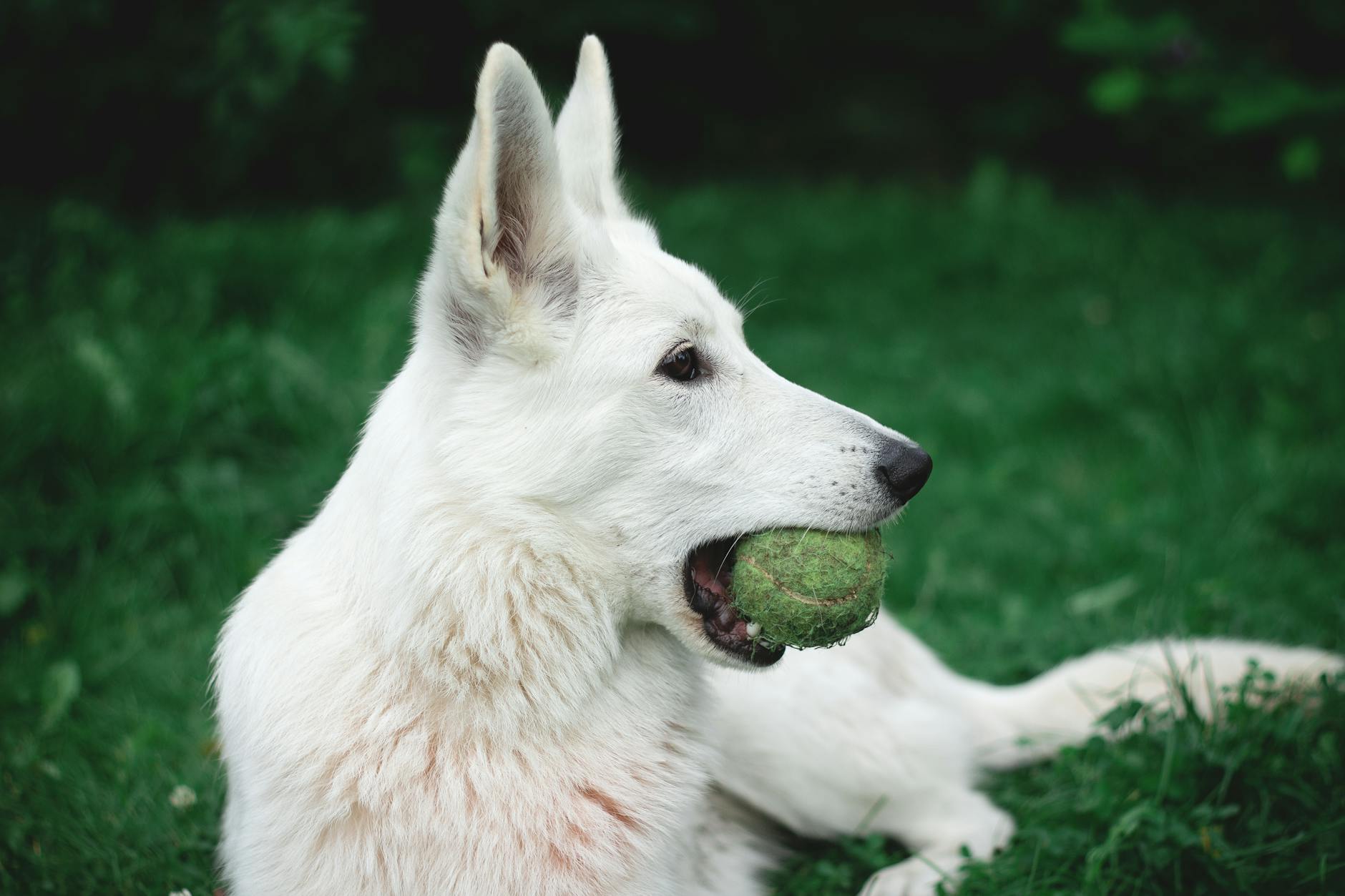
Training an older dog may seem daunting, but with the right approach and techniques, you can teach an old dog new tricks. The key to success is understanding the specific needs and learning styles of your senior canine companion. Here are expert strategies to guide you through the process of effectively training your older dog.
Understanding Your Older Dog
Before diving into training, it's important to recognize that older dogs may have some limitations. They may experience decreased hearing, vision, or even cognitive function, which can impact their ability to learn new commands or behaviors. Adapting your training methods to accommodate these changes is crucial for a successful outcome.
Patience Is Paramount
Create a Stress-Free Environment
Older dogs can be more sensitive to their environment, so make sure your training sessions are conducted in a calm and familiar setting. Minimize distractions to help your dog focus on the task at hand.
Adjust Your Expectations
As dogs age, they may take longer to learn or may not be able to perform certain tasks as easily as they once did. Adjust your expectations accordingly and celebrate even the small victories.
Consistency is Key
Routine Training Sessions
Establish regular training sessions to reinforce consistency. Older dogs benefit from a structured routine that helps them understand what is expected of them.
Keep Commands Consistent
Use the same words and gestures for each command to avoid confusing your dog. Consistent communication will make it easier for your older dog to follow your instructions.
Positive Reinforcement Works Wonders
Rewards and Praise
Positive reinforcement is an effective training methodology for dogs of all ages. Reward good behavior with treats, praise, or extra playtime. This will encourage your dog to repeat the desired behavior.
Avoid Negative Reinforcement
Older dogs, in particular, do not respond well to harsh methods. Negative reinforcement can lead to fear and anxiety, which may hinder the training process. Always opt for positive approaches to guide your dog.
Adapt to Your Dog's Pace
Short, Engaging Sessions
Keep training sessions short to match your older dog's attention span and energy levels. Aim for 5-10 minutes per session, and make sure they're enjoyable for both you and your dog.
Take Breaks as Needed
Pay attention to your dog's cues. If they seem tired or frustrated, it's okay to take a break and try again later. Training should always be a positive experience.
Address Health Issues
Regular Check-Ups
Ensure that your dog is in good health before starting any training regimen. Existing health issues can affect your dog's ability to participate in and benefit from training.
Modify Physical Activities
If your dog has mobility issues, consider modifying physical activities during training. Focus on commands that do not strain your dog's body and adapt exercises to meet their physical capabilities.
Lasting Bonds Through Training
Training your older dog not only teaches them new behaviors but also strengthens the bond between you. With patience, consistency, and positive reinforcement, training can be an enriching experience for both you and your senior dog.
By following these tips, you'll be well on your way to effectively train your older dog. Remember, it's never too late for your furry friend to learn something new. Embrace the journey and enjoy every moment you have together.